

This article was written by Reid Derby, Director at CyNam, as part of a fun initiative where our team and directors share their personal interests and write about topics they are passionate about.

(Photo by US Signal Corps taken on 26th August 1994 held on the US National Archive Catalog)
During our summer holiday this year we spent the day walking around Paris enjoying the magnificent architecture, taking in the sights and sounds of the city of love and city of light as it is affectionately known. This included visiting the Place de la Concorde (“Concord Square”), renamed as a gesture of reconciliation after the turmoil of the revolution in 1795.
As we arrived at the Place de la Concorde, the largest square in the French capital, I found it hard to believe this lovely setting could have been the scene of such horror during the liberation of Paris in 1944 when Nazi snipers fired on the unsuspecting crowds who were celebrating the entry of Allied troops into Paris. How could such a place of green spaces and recreation become a snipers’ alley, a place of violence and harm? And what has this got to do with Digital Responsibility? Well before we find out I’d like us to think about smartphones.
(Photo by US Signal Corps taken on 26th August 1994 held on the US National Archive Catalog)

Digital Technologies and the “Digital by Default” Society

I’m assuming that you have a smartphone and that you are one of nearly 5 billion people have smartphones around the world. Do you ever stop to think about what you use your smartphone for on a daily basis? And have you ever stopped to think about where you use it? I think we can all agree that smartphones have radically changed the way we live over the past few years at home, at school, at work and in wider society. But the ‘digitization’ of life doesn’t stop there. Many of us now have ‘smart’ doorbells installed at home that are connected to our home WiFi and Internet connections that mean we can see who is knocking at our doors even if we are halfway round the world at the time. What could possibly go wrong?

(Photo from a BBC News article “Smart doorbells ‘easy target for hackers’ study finds” published on 23rd November 2020 on the BBC Website)
The smart doorbell is just one of a growing number of Internet of Things (IoT) devices that are used in homes, offices, schools, and in the street for a variety of reasons. We’re using digital hygrometers at home to measure the humidity and temperature in each room of the house which I can access from an app on my smartphone. Very useful as we consider a deep retrofit of our house. And smart devices are not only popping up in people’s homes. They are appearing everywhere.
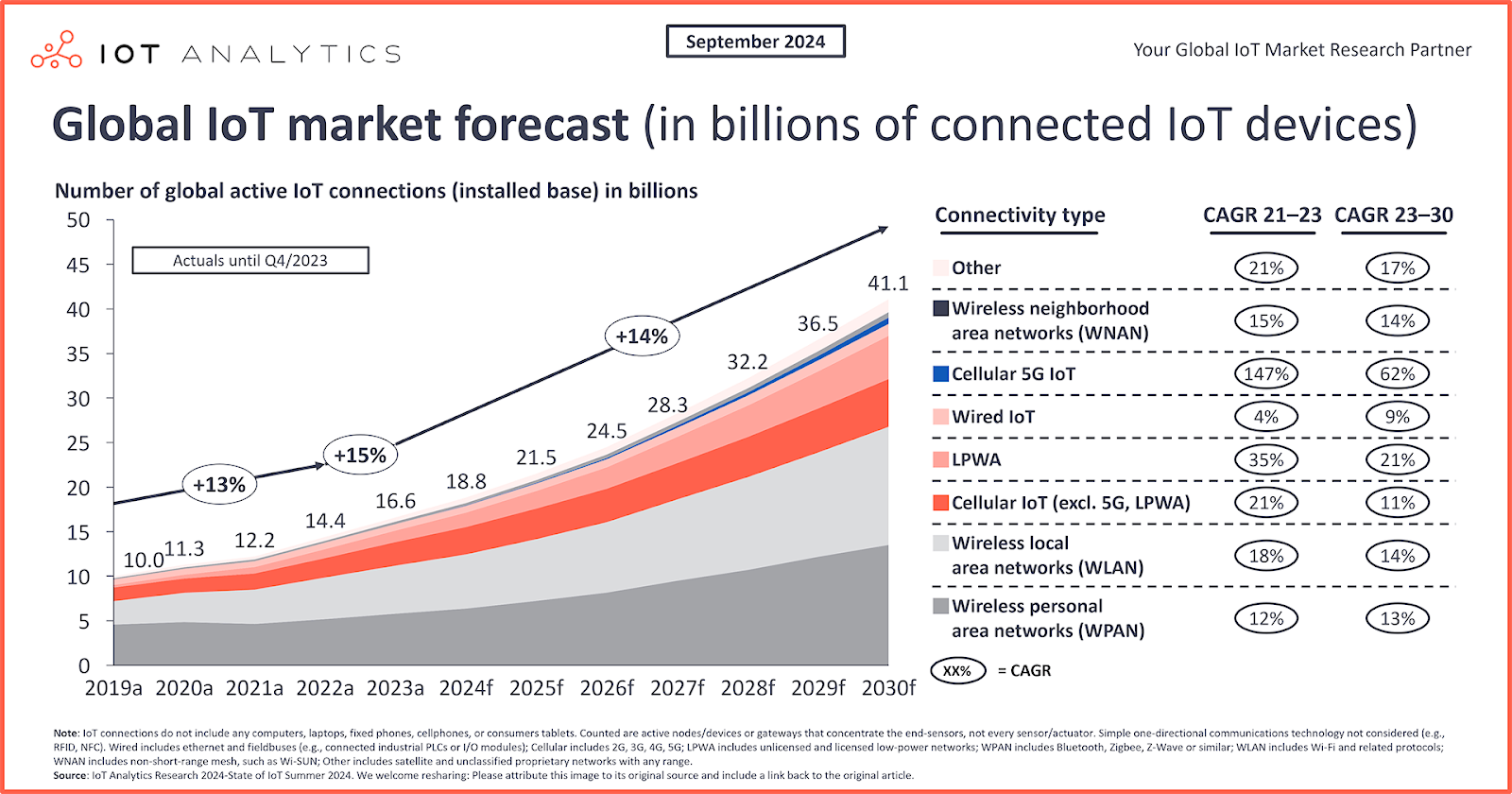
(Image from article, “State of IoT 2024” by Satyajit Sinha, IoT Analytics 3rd September 2024 on iot-analytics.com)
According to IoT Analytics, there were over 16 billion IoT devices with global active connections in 2024. And many people may not realise that these examples of digital technology not only introduce security and privacy risks. At a more fundamental level they are changing the responsibility for aspects of our lives without these changes being seen, understood, discussed or agreed, unless you consider agreement as clicking on the terms and conditions button on an app or webpage without reading them in order to get things working.
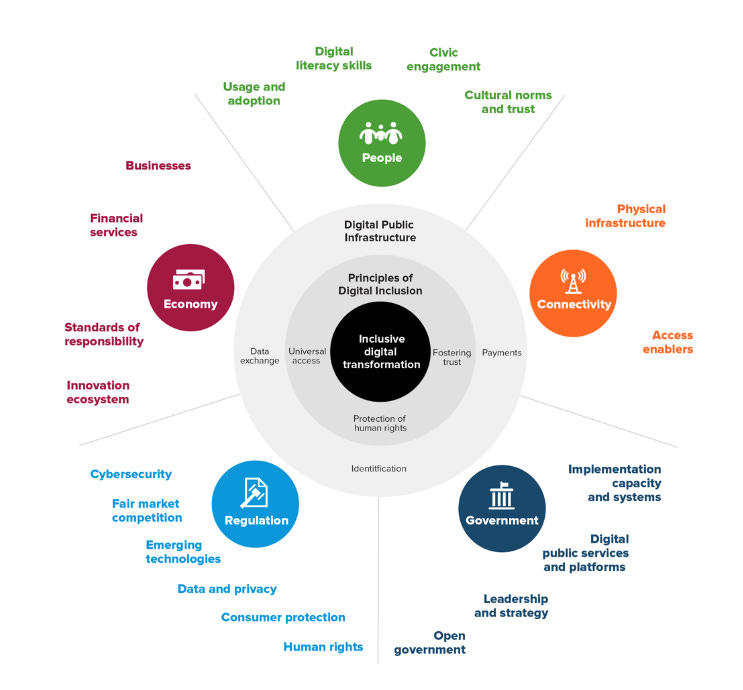
(Image from a UNDP Digital Transformation Framework Concept Note, November 2023 on undp.org)
The introduction of all these technologies has already transformed our lives in all sorts of ways, from the way we shop to the way we work to the way we relax. Digital technologies are now having a wider impact in our lives through the digital transformation of society. The United Nations Development Programme gives you a view of how society is being transformed digitally. But what does this mean for us as individuals?
The Digital Good Life?
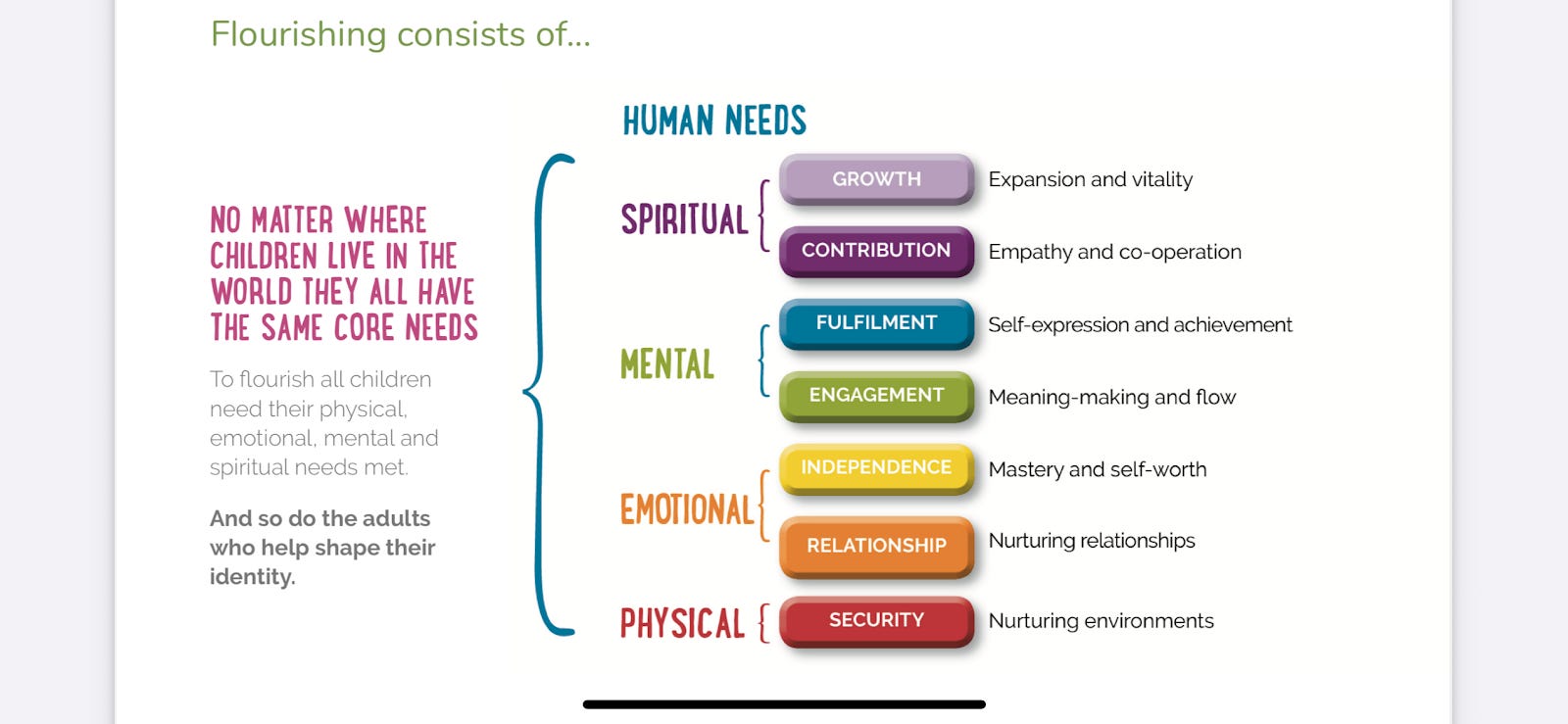
(Image from ‘Understanding the Flourish Model’ by Wendy Ellyatt, 2018 on flourishproject.net)
We might not agree on a definition of the good life, but it might look something like this diagram from the Flourishing Project. We all have physical and emotional needs. We are social beings who need to love and belong. We have mental and spiritual needs including the need for self esteem. The need for respect, recognition, and a sense of purpose, growth, and development and the ability to some amount of control over our own lives whatever stage we are at. But how is digital technology impacting these needs and what can and should we do as a society to address them?
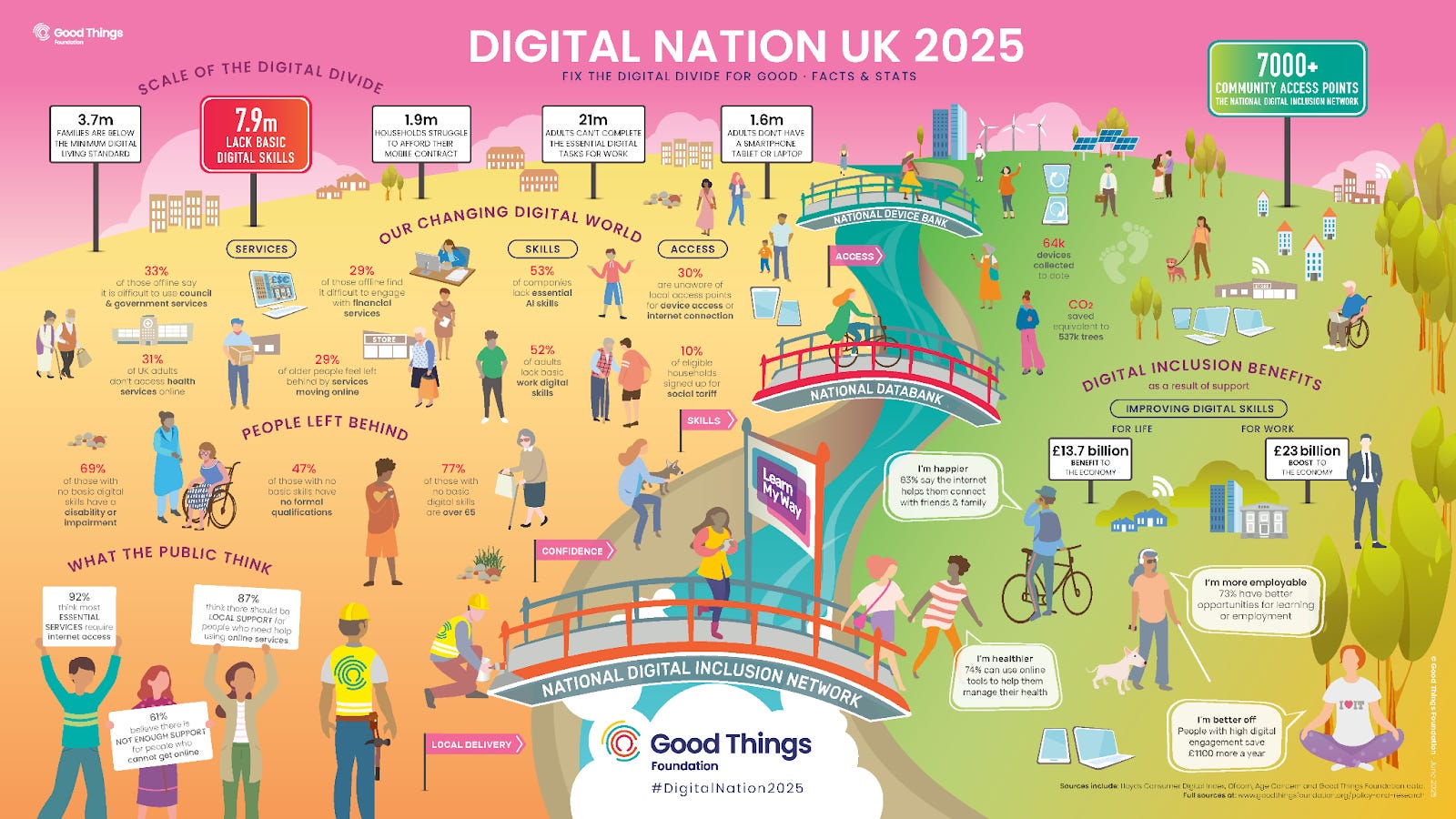
(Infographic from ‘Our Digital Nation 2025’ by the Good Things Foundation on goodthingsfoundation.org)
It’s clear from the Good Things Foundation on Digital Nation UK 2025 report that some people are benefiting a lot from digital technology in their health, socially, and economically. However not everyone is benefiting from the introduction of digital technologies according to the report. Some people are getting left behind in their skills and access to the Internet and digital technology.
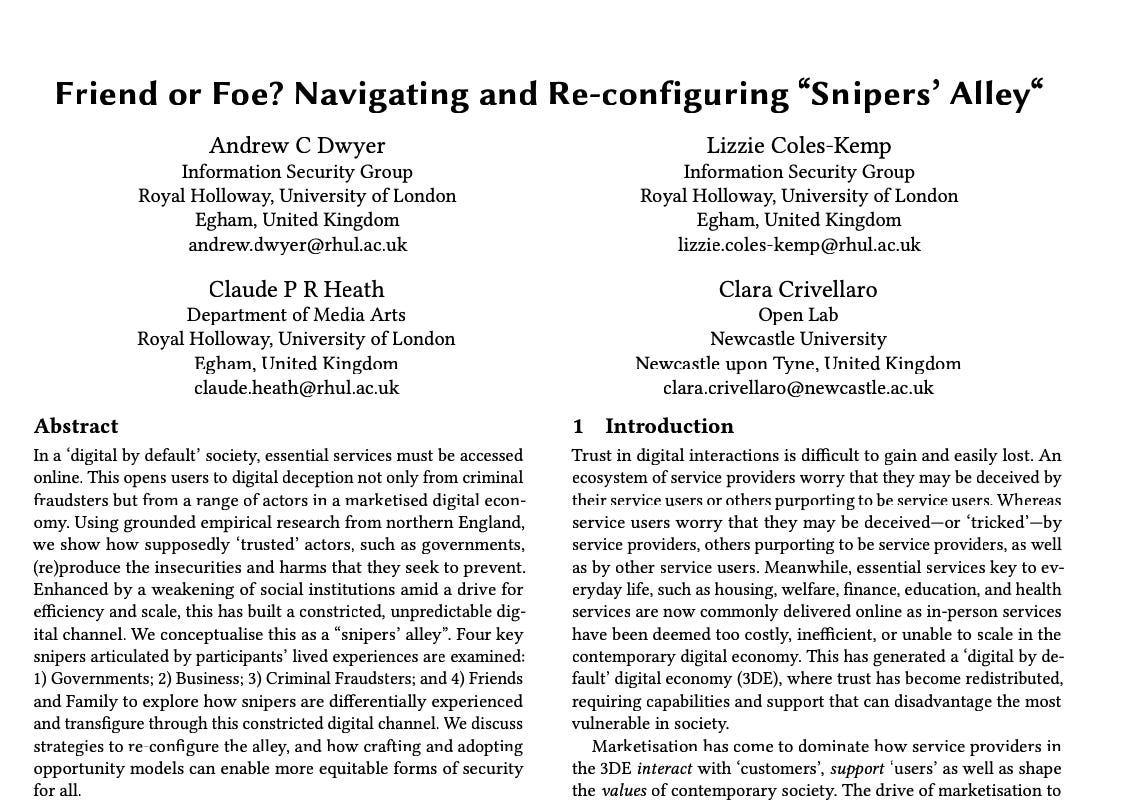
(Research paper – Friend or Foe? Navigating and Re-configuring “Snipers’ Alley”‘, by Andrew C Dwyer, Lizzie Coles-Kemp, Clara Crivellaro, Claude P R Heath, 21st March 2025, CHI 2025)
And in fact, according to cyber security researchers Andrew Dwyer, Lizzie Coles-Kemp and Claude Heath from Royal Holloway University of London and Clara Crivellaro from Newcastle University, our ‘digital by default’ society moves access to essential services online, it opens people to a digital “snipers’ Alley” where they are at risk of various harms including from business, criminal fraudsters, and even friends and family! Why is this the case and what can we do about it? What do people need in life and how should digital technology contribute?
Well one place to start is introducing the idea of digital responsibility where we acknowledge that people not only need to be protected from harms but also need to be able to take advantage of the opportunities of a digital society without being held back by fear. Ensuring that responsibilities are not only clearly and transparently set out but also actionable by all is fundamental to a society that is free from a fear of its digital technology.
Understanding Digital Responsibility

(Photo by Todd Morris on Unsplash)
The Oxford English Dictionary describes the word ‘responsible’ as ‘capable of fulfilling an obligation or duty; reliable, trustworthy, sensible’. This refers to the duties and obligations of an individual person. But responsibility also applies to companies, organisations and institutions within our wider society. But our ideas and norms of responsibility were formed well before the introduction of digital technologies. However our ‘digital by default’ society has changed all this.
Practical steps to develop Digital Responsibility
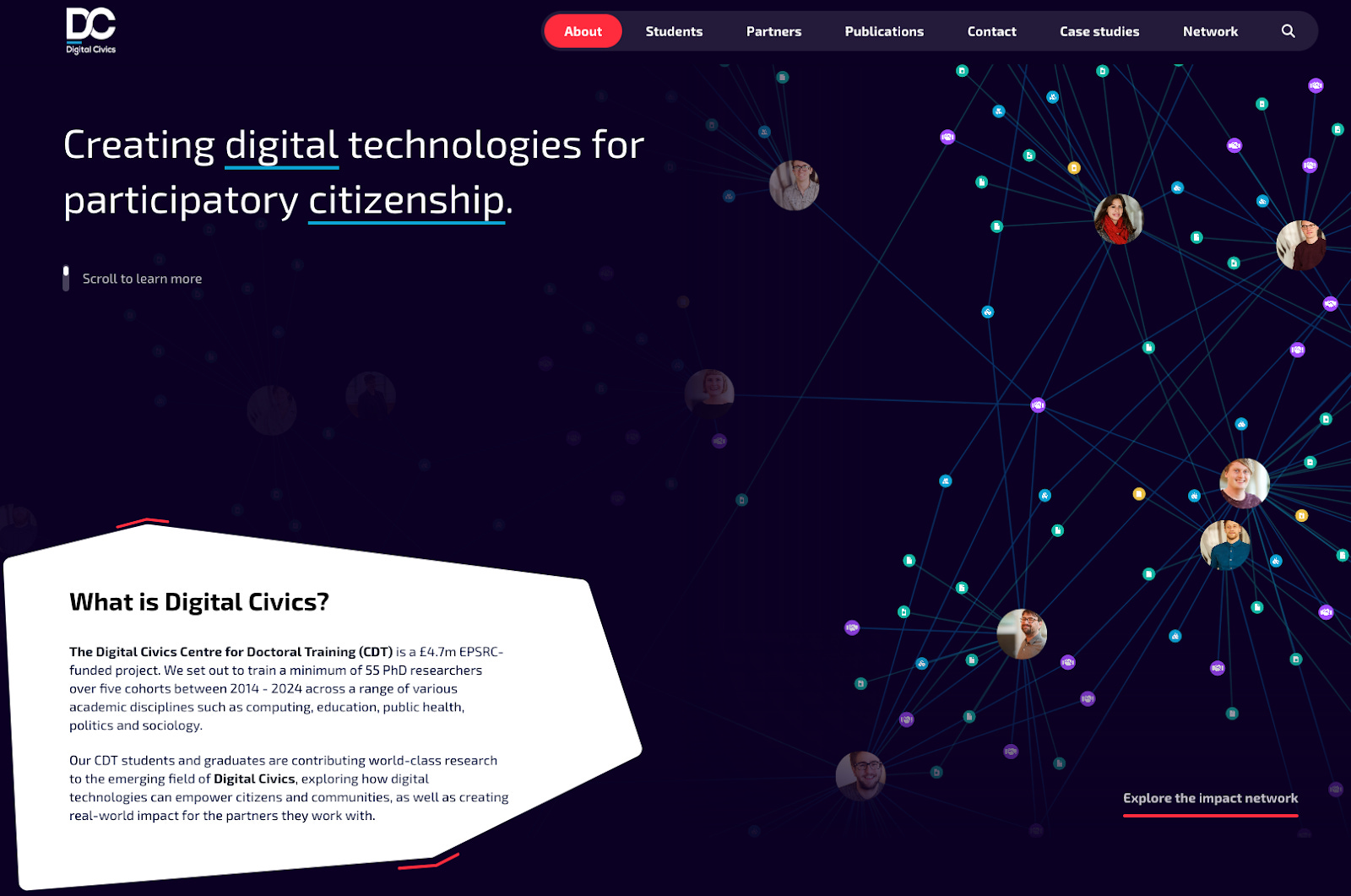
(Screen capture from ‘Digital Civics Centre for Doctoral Training’ website on digitalcivics.io)
One area worth exploring is the emerging field of ‘Digital Civics’ which aims to empower citizens and communities through digital technologies. The former Centre for Doctoral Training in Digital Civics has produced a huge number of research papers on various subjects including in digital security, digital sustainability, education, local democracy, machine learning, public health and social care.
My own introduction to Digital Responsibility came gradually through conversations over the past few years with Lizzie Coles-Kemp, Professor for Cyber Security at RHUL, who gave a keynote talk at a CyNam event in Cheltenham on ‘What Does a Welcoming and Trusting Smart City Look Like?’. Lizzie works in the field of Digital Responsibility as Principal RISCS Fellow for Digital Responsibility and her work demonstrates that digital responsibilities undergird an effective and resilient cyber. Her position is that digital responsibilities are both set out in laws and policies and also negotiated and forged through our relationships. I’m only just beginning to think about what digital responsibility means for me and the organisations I work with but I know where to go for help and guidance.

If you’d like to know more about Digital Responsibility within the Cyber security sector then get in touch with CyNam by email or come along in October to CyNam’s Secure Future Series. This is a week long programme of events, with pop-up activations, and strategic partnerships, uniting industry professionals, innovators, policymakers, academics, and the next generation of talent. Join us to spotlight regional excellence, drive critical conversations on national security and resilience, and catalyse growth across these sectors.
From Snipers to Monuments

(Photo of Place de la Concorde by Photo Serge 28th July 2020 on photoserge.com)
It’s hard to imagine the Place de la Concorde as place of snipers and violence when you see the beautiful and inspiring monuments there today. However the history books and photographs are there as a reminder. How is it possible to create monuments of hope such as in the Place de la Concorde from a place of violence and harm?

(Photo by Reid Derby, 2024 outside Gloucester Cathedral)
In July 2020, a 7.5 tonne lorry arrived at the British Ironworks Centre to deliver thousands of weapons – including knives and guns – which had been collected from the streets of Manchester as part of the Greater Manchester Police’s ‘Forever Amnesty’. The knife and gun banks have been used as a continual programme to encourage and support the public to surrender their dangerous weapons in order to clear the streets of violent and aggressive behaviour. This inspiring and beautiful Bee Monument was created with the knives and guns to highlight the city’s stance against all forms of violence. I saw the monument when it was on tour outside Gloucester Cathedral in 2024. It was an emotional experience and gave me hope for the future.
Digital technologies can become tools of harm and violence which will require creative acts to transform them into tools of peace and prosperity. Let’s take the initiative as responsible citizens and society to develop our digital technologies for the benefit of people. Lets develop digital responsibility so that we can all flourish and benefit from digital transformation.
This article was written by Reid Derby, Director at CyNam, as part of a fun initiative where our team and directors share their personal interests and write about topics they are passionate about.